How to Fix the Restaurant Industry
The city's restaurant scene has never looked better from the dining room, but behind kitchen doors, the industry is struggling with thin margins, labor shortages, and a culture of burnout. To survive, today’s top chefs are reinventing everything—and their solutions might just save it all.

Illustration by Comrade
The city’s restaurant scene has never looked better from the dining room, but behind kitchen doors, the industry is struggling with thin margins, labor shortages, and a culture of burnout. To survive, today’s top chefs are reinventing everything—and their solutions might just save it all.
The Problem: The Barriers Never End
So you want to open a restaurant in Boston? It’s notoriously difficult, and we’re not just talking about the staggering cost to nab one of the city’s handful of liquor licenses. (Although, yeah, that can run you upward of $400,000.) Chefs who are well versed in putting together a winning menu are also tasked with all the operational headaches that come with restaurant ownership, from managing staff to juggling building upkeep. And then, once you finally get the place open, how do you get people in the door? The path to each new restaurant in Boston is less like a ribbon-cutting and more like a dizzying obstacle course that every prospective owner is forced to run.
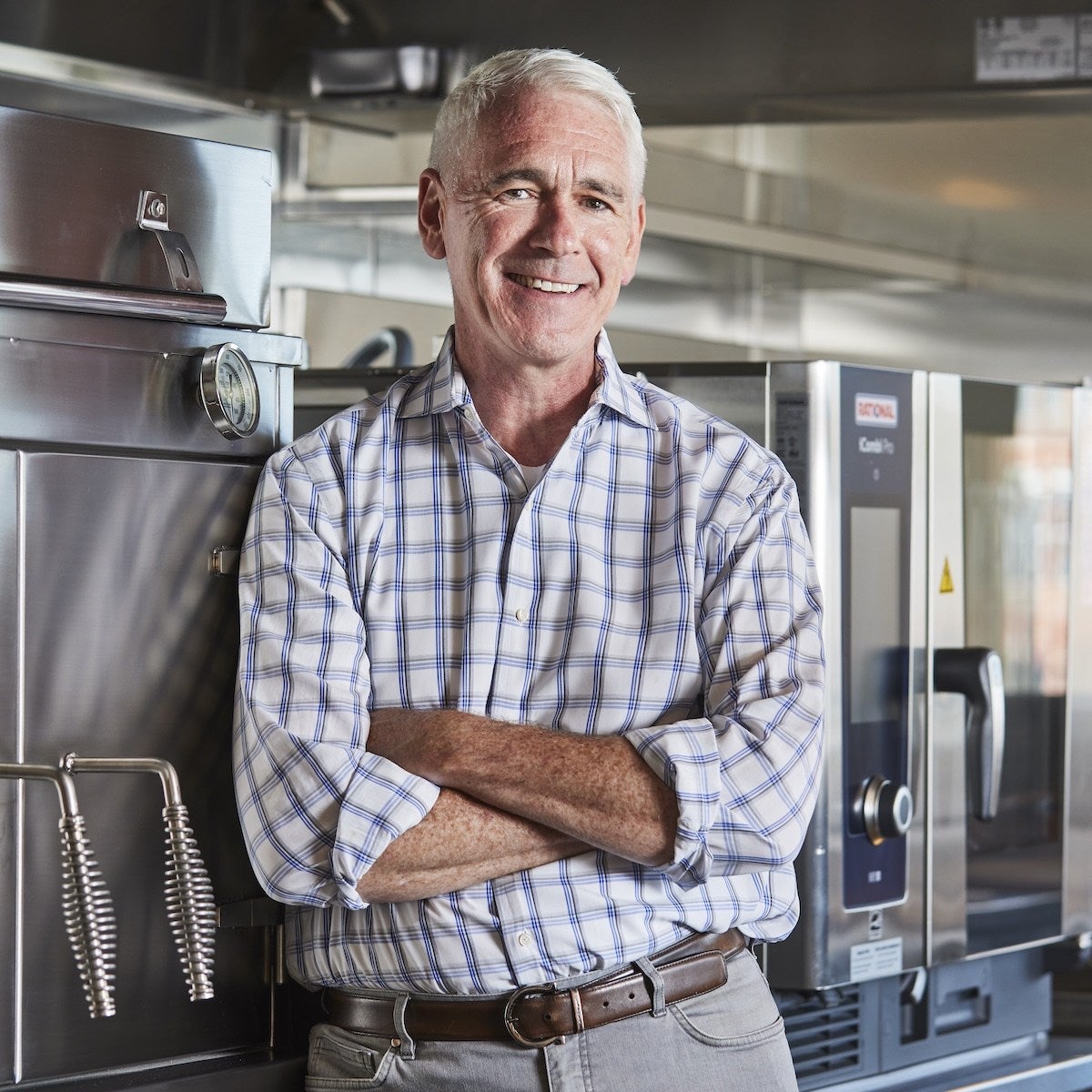
Photo by Pat Piasecki
Solution 1: Own Your Neighborhood
Garrett Harker
Owner, Eastern Standard, Equal Measure, and Standard Italian
“Eastern Standard is definitely in a neighborhood in transition. The first two years have been a lot of heavy lifting, of overcoming construction, and even the orientation of the restaurant [is confusing]. It’s not like we’re on a high-traffic road. You have to find us. A lot of the work that my team has done is really trying to give people a reason to search us out.
We do a lot of cooking classes, cocktail classes, any sort of reason we can provide people to come and think about spending time with us. We have to be really active. We’re out at the farmers’ market. We have great breads and great pastries from our bakery team, but it’s really a chance to be out in front of the neighborhood, because that’s who’s walking through.”

Photo by Ally Schmalling
Solution 2: Let Someone Else Buy the Liquor License
Alyssa Mikiko DiPasquale
Owner, the Koji Club
“First and foremost, we have a licensing agreement instead of a formal lease at the Charles River Speedway. We were really lucky that we were one of the first in those little horse stalls to get a licensing agreement, and we are one of the lucky people who are able to manage the liquor license that is on the property. Otherwise, we would not have been able to open in the city of Boston, period.
I really like the structure of our landlord at the Speedway owning the liquor license, and us having a management agreement with them. I hope that in future projects, these big guns that have lots of money would own the license and have a management agreement. There are giant national landlords opening things in the city of Boston right now, who have both the money and the power. If you’re in partnership with one of those types of landlords, then maybe you don’t have to go to the back of the line to get something open.”
Solution 3: Let AI Do your Homework

Courtesy of Row 34
Shore Gregory
CEO and owner, Row 34
“One of the greatest things now is that data and information for restaurant operators have never been more available and easily accessible to help with decision-making. I think that is a great boon for the industry. It just takes a little bit of willingness to find it and then know how to use it.
For example, Toast, which makes the point-of-sale software most restaurants use, just rolled out a product called Toast IQ, which is basically like a ChatGPT version of Toast. You can ask it any question, and it will give you really detailed, actual information. It could be about food costs, labor, or about managing overtime. It could even give you ideas around programming or how to bulk up soft segments of your business. I think that is going to be a really great tool, because everybody’s limited on time in this business, and it’s hard to kind of dig through all the information to figure out what you should do with it.”
Solution 4: Market Old-School

Photo by J-M Leach
Colin Lynch
Chef and owner, Bar Mezzana and FIDO Pizza, among others
“It’s so easy to put something out on social media when you open a restaurant, but if you don’t hit that person at the right time in the right place, they’re going to forget about it, because they’re seeing 19 other things that same day. There’s a constant cacophony of things happening. It’s really hard to break through that.
I think there’s something to be said about going old-school. At Fido Pizza, which we just opened, we’re going to start playing around with sending out old-school mailers that have coupons. I just remember growing up, you got the thing from the local pizza place that said, ‘Buy two pizzas and get a free 2-liter Coke,’ or whatever. Finding stuff like that, it plays to nostalgia but also offers a good deal for people.
We also launched a loyalty app at Fido, where, if you order online, you automatically get points. People love points these days, I think, and rightfully so. It just goes back to how everyone’s concerned about the economy.”

Getty Images
The Problem:
Everything Costs Too Much
Walking down the grocery store aisles and wincing—eggs are how much, now?—is the new normal. Now imagine ordering hundreds of eggs every week (or pounds upon pounds of butter, or countless slabs of beef) and watching those prices add up. While we’re shaking our fists over our grocery receipts at home, chefs are steeling themselves against food-order invoices that are the stuff of nightmares. And just when one ingredient cost levels out, another one skyrockets. Spiking costs are forcing chefs to rethink everything from portion sizes to whether takeout even makes sense anymore.

Photo by Nina Gallant
Solution 1: Make Takeout an Event
Tam Le
Co-owner, Lê Madeline
“In these difficult economic times, it’s about finding ways to still provide value for our customers and doing things that we typically wouldn’t do. When we created Lê Madeline, it was about the experience—about the quality, the service, and the hospitality. Now, it’s like, how can we create that sense of hospitality in someone’s home?
We’re more of an occasion-type restaurant, but we’ve been trying to find more ways to meet our customer. We’ve been thinking about takeout—we’re not going to call it takeout because we’re not a takeout restaurant—but we’ve been thinking of ways to have people experience Lê Madeline at home.
Enter our picnic baskets for two, which we sold during the summertime, when people were going to the beach, to the park, stuff like that. It was a little bit packaging, it was a little bit marketing—it was just shifting your perspective on it, right? It was novel. It was executed well. We sold it well, and people very much enjoyed it.”
Solution 2: Use Every Last Scrap

Photo by Brian Samuels Photography
Erin Miller
Chef and owner, Urban Hearth
“We are seeing significant increases in ingredient costs, particularly with proteins and wine. The one magic wand or tool that I have in my tool belt is that we have always functioned in our restaurant with a strong commitment to sustainability. Understanding how to use ingredients at their peak and use every element of them, you know, from pith to peel. We’re using proteins as a supporting role on our plate, as opposed to the big piece of beef that a lot of restaurants would do.
Being ingenious in how we use our ingredients and not wasting has enabled us to keep an even keel with our prices and not be affected as heavily as restaurants using fixed menus with fixed ingredients, and they just have to absorb the variability in costs. I also oversee purchasing with an iron fist. We’re so small; we can’t over-purchase. There’s not a lot of room for waste, literally or figuratively.
It’s a complicated time, but hopefully we can walk away from these challenges feeling inspired to get in touch with how our food grows and where it comes from.”
Solution 3: Make it In-House
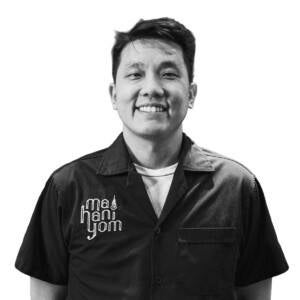
Photo by Troy Ali
Chompon Boonnak
Co-owner, Mahaniyom and Merai
“The cost of goods is really going up. I use quite a lot of products from Thailand, and there’s no sign of the costs going down, and then there’s all the tariffs. Believe it or not, I was just dealing with Topo Chico, the soda water. I used to get it for $30 or $35 per case; now, it’s $48. It’s just sparkling water! This cost is too high.
Now, for some of the cocktails at Merai, I bought this new equipment so I can do fast carbonation on my own. It’s cheaper. It’s more efficient. We still offer Topo Chico to guests who want sparkling water, and we’re still using it for some of the highballs, but in the future, if costs keep going up—I know I can make it on my own.”
Solution 4: Turn Guests into Regulars

Courtesy photo
Tom Schlesinger-Guidelli
Owner, Alcove
“Everybody is extremely price-conscious at the moment. So one of the things that we’ve tried to do is put a price-conscious, thoughtfully executed neighborhood menu in place. We’ve created a three-course menu for $38 that we change up once a week.
It’s got two offerings for appetizers, two offerings for entrées, and two offerings for dessert. We attempt to make sure that it has gluten-free and dairy-free offerings in each course, as well as pescatarian; you know, we try to be accommodating to allergy challenges and dining preferences.
We’ve seen an uptick in people who come in once a week to try the menu because the price point feels like a value, and regulars need to feel value in their dining experience. This neighborhood menu felt like a really good and responsible way that we could offer extremely good value to people.”

Via Getty Images
The Problem:
Nobody Wants to Work Here
It’s no secret that working in a restaurant has its challenges. Restaurant staffers are on the clock when everybody else is off. That Saturday day trip that your 9-to-5 friends are planning? Forget about it. Want to spend the holidays with your family? Those are your busiest workdays. The pay gap between servers and cooks keeps widening, the hours are brutal, and ICE raids have added a new layer of fear. But some restaurateurs have stopped accepting “that’s just how it is”—and their fixes are surprisingly practical.
Courtesy of Edible Rhody
Solution 1: Stand By Your Staff
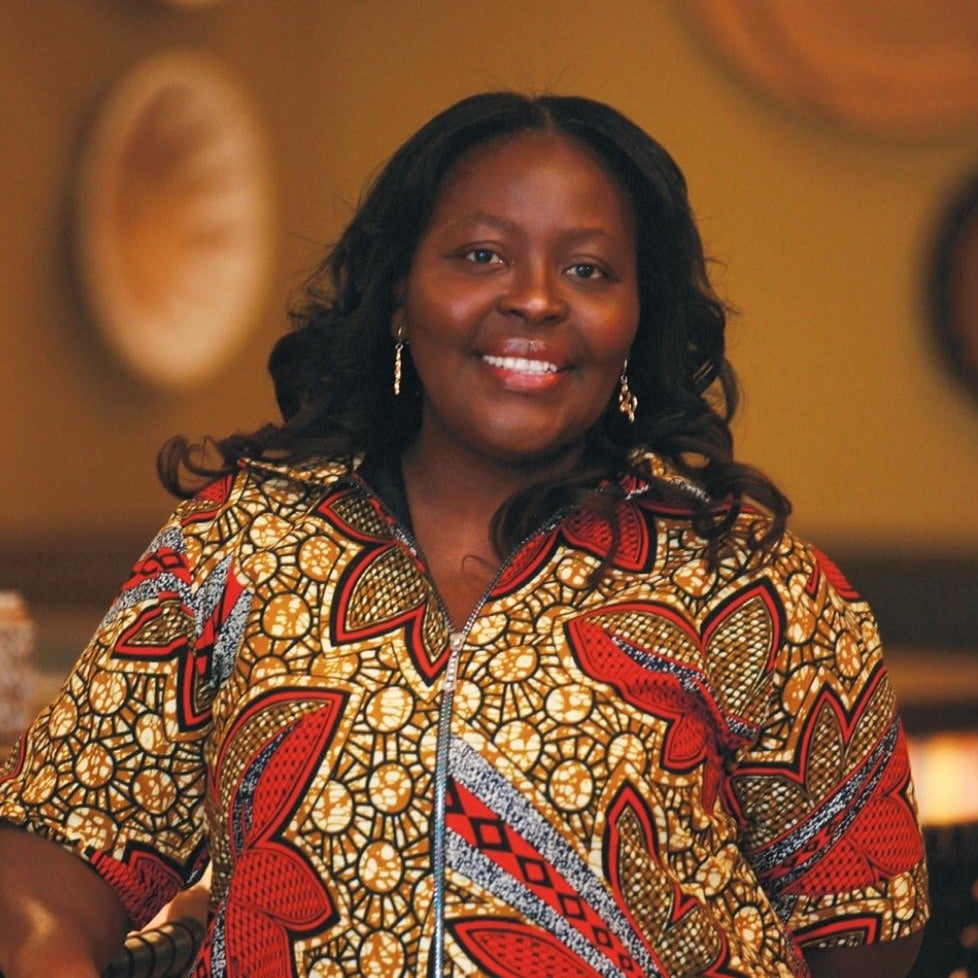
Cecelia Lizotte
Chef and owner, Suya Joint
“My brother Paul Dama, who helps manage Suya Joint, had a valid work authorization till 2029. He was just waiting for a final decision of asylum granted or not, and he was picked up by ICE.
I just felt defeated, dehumanized. At times, I didn’t want to leave my house, but I had to be strong for him and supply everything the attorneys needed.
With the restaurant, we’re already struggling—we can go back all the way to COVID. And then this. People encouraged us to open a GoFundMe, which we did, and they came out in masses to support us. We also discounted jollof rice and meals on our website, just so all the funds would be donated toward his legal proceedings. [Note: Dama was granted asylum and returned home in September.]
We should be safe to go to work, but the fear of ICE is just enormous. Myself, the staff, the customers, everybody just walks in looking over their shoulder. We just want to go back to our livelihood, to continue to showcase the culture of West Africa through food.”
Solution 2: Give Them Three Days Off

Photo by Brian Samuels Photography
Carl Dooley
Chef, Mooncusser
“[Mooncusser’s four-day work week] really stemmed from my own experience as a line cook and an hourly employee in the restaurant industry. It’s long hours, high stress, and a high-paced environment.
Something that we focus on here is I want my team to be really engaged while they’re here. The four-day week allows us to get the most out of our kitchen team while they’re here while also giving them time to explore their other interests or just rest. It ends up being four 11-ish-hour shifts per week.
By having a longer workday, our team is able to come in around noon, and their responsibility is everything on their station, whether it’s cutting fish, cutting meat, baking bread, making pasta, or the long braising projects. It’s a lot of the things that, as a young cook, you want to learn how to do to advance your skill set. And, during service, they know that everything that they’re preparing for the guests, they’ve made. There’s a level of pride that comes with doing everything yourself.”
Solution 3: Put Your Recipes in the Cloud

Photo by Hugh Galdones
Will Gilson
Chef and partner, Puritan & Co. and the Lexington, among others
“One of the things that became really hard about running multiple kitchens is that we almost always found ourselves wrestling with a chef leaving, and they were the ones who had put their recipes in the mix. And everybody had been copying out of that person’s notebook and putting it into their own notebook.
Oftentimes, depending on the game of telephone that’s played, you’d have somebody who’d leave an ingredient out when they were transcribing a recipe, and then the next person would then do the same thing. All of a sudden, you realize the recipe that had been making your food really great, now three people are making it three ways.
So what we did, in all of our kitchens, is we installed wall-mounted iPads, and we are using Google Docs to essentially create a central nervous system to the recipes of all of our restaurants that can be accessed from anyone’s phone or from the iPad. And then we’re able to lean into Google Translate to take those recipes and make it so that anyone can read it in his or her native language.”
Solution 4: Fix the Tipping Law (Again)
Photo by Kristin Teig
Ana Sortun
Chef and co-owner, Oleana, Sarma, and Sofra bakery & café
“In Massachusetts, we have certain laws that keep us from doing things, like we can’t distribute tips to everyone. They have to go to tipped employees. This, to me, is the current challenge that affects the next generation of restaurants.
We’ve talked for ages about the wage gap between the front of the house and the back of the house. The servers can make about three times what a cook would make. It’s never made sense to anyone in this business.
When we put the kitchen appreciation fee in from COVID onward, instead of it being a huge gap, it was just a gap. That’s all done now. The new legislation removing junk fees basically just made that worse.
Now, we have to raise prices. But what’s going to happen is the customer is going to be tipping on the higher price. That higher tip is still going to the server. Before, we could at least bring the back of the house closer. Now, they’re staying very far apart. This is going to be an ongoing thing until the laws of the state change.”

Photo via Getty Images
The Problem: The Kitchen is Toxic
Life in the industry is often portrayed as not-so-controlled chaos. In the kitchen, all that matters is keeping the pirate ship afloat, and if you can’t hack it—that’s on you. This pressure-cooker environment, often amplified by the rigid, traditional hierarchy of the brigade system, has fostered all sorts of abuse—verbal, physical, sexual. And the power imbalance inherent in the structure means those lower on the ladder, like line cooks and prep cooks, often have no effective way to report harassment or move up the ranks. But as a new generation of chefs takes over, they’re making it clear: They’re not repeating the toxic patterns from their own grueling days working the line.

Courtesy photo
Solution 1: Enforce your “no assholes” policy
Tiffani Faison
Chef and owner, Sweet Cheeks Q and Bubble Bath, among others
“We have a ‘no assholes’ rule. We have standards of respect and equality that we uphold. Inappropriate comments don’t fly, and being horrible to people or screaming at people—none of that flies.
What we’re learning is that a lot of people talk about it and say one thing, and then maintaining it is different. The maintenance of it is really zero tolerance. You have to call it out at every turn. And it’s not embarrassing people. It’s having side conversations, saying ‘That’s not okay. That’s inappropriate.’
You have to create an environment where people feel safe to talk about the things that are making them and the team uncomfortable. And then, there can’t be any retaliation. If someone is open about what is happening, it can’t be used against them.
I’ll be honest, it’s really hard because with a zero-tolerance policy, you’re very likely to find yourself standing in a restaurant with a lot fewer employees than you need to run that restaurant, and you have to be able to weather that storm.”
Solution 2: Offer Actual Benefits

Courtesy photo
Sumiao Chen
Owner, Sumiao Hunan Kitchen
“The restaurant industry is very tricky because people treat the job like a temporary solution. They don’t think it is a real job. So how can we make them feel that it is a real job, that makes them professional and eager to learn? That’s something we’ve been focusing on.
Here’s what we’ve done: Any employee who maintains more than 30 hours of work in the restaurant is eligible to enroll in our group health insurance with 100 percent premium coverage. That’s number one. Number two: We reimburse transportation costs, and for the management team, we offer to pay for parking.
And then, we have an incentive program for all non-tipped workers based on monthly revenue goals to help close the gap in hourly pay difference between tipped employees and non-tipped employees. This way, if the revenue increases and the workload increases, non-tipped employees feel that they get some reasonable compensation back.”
Solution 3: Teach Them, Don’t Just Use Them

Courtesy of nine
Andrew Simonich
Chef de cuisine, Nine
“One of the big things that I focus on is the education and coaching aspect. I don’t want the line cooks to be line cooks forever. I want them to actually develop their skills.
The pitch process for the menu is, cooks will say, ‘Chef, I have this idea,’ and I’m like, ‘Okay, great, put it together for me.’ Then my sous chef and I will taste it all together. And we’re like, ‘All right, what are your thoughts on this?’ Because I want to start that thinking process of, ‘What does this taste like? How is the guest going to eat this? Are the flavors combining the way that you intended them?’ And then we have that open conversation of, like, ‘I really like this idea, but let’s tweak these certain elements to bring it all together.’
That also gives all of my line cooks time to sit down with me and understand what I’m looking for in the food that we’re putting on the menu here.”
Solution 4: Close on Sundays (Yes, Really)

Courtesy of Thistle & Leek
Kate Smith
Co-owner and chef, Thistle & Leek
“Back in the day, it was expected that you would work if you were sick. You would work through family events, vacations, and holidays. You could request time off, but it was going to affect your career.
I was okay with it for a long time. The idea was that this is the kind of sacrifice it takes to be successful. And then, at some point, it became harder to see people in my life.
Earlier this year, my husband and I decided that we needed to close the restaurant on Sundays (we’ve always been closed Mondays) so we could spend more time with our kids.
As it turns out, we’re now busier on our other days. And our staff knows they are never going to work Sundays or Mondays as well. The idea that we always have to be available, the industry needs to move away from that. Plus, this new structure helps us thrive when we are at the restaurant.”

Getty Images
What It Takes to Open
Demetri Tsolakis, CEO of Xenia Greek Hospitality, shares the grueling process it took to open the restaurant group’s latest hot spot, Kaia, from liquor-license hunting to permitting
One Year (or More) Before Opening
Obtain Liquor License
“In Kaia’s case, we worked with a liquor-license broker since there were no licenses available at the time. We were outbid on the first license, which took about six months to locate, and it wasn’t until six months later that we successfully secured one.”
8 to 12 Months Before Opening
Simultaneously Design and Negotiate A Lease
“While waiting for a liquor license, we developed a floor plan and finalized architectural drawings during lease negotiations, so we were ready once the lease was signed.”
6 to 8 Months Before Opening
Apply for Permits and Begin Construction
“We applied for permits so we had everything ready to start the build-out. I recommend going into this knowing how many seats you want and where things like the ice machine are going.”
Two Weeks Before Opening
Fire Marshal Visit
“You wait, and wait, and wait for a visit from the fire marshal to come in and do their thing. You pray you have it right by this point, because anything wrong usually means a long delay.”
One Week Before Opening
Health Inspection and Certificate of Occupancy
“At this point, the excitement had kicked in because we’d begun training our staff and tasting. When we got the okay to open, we ran to [the Inspectional Services Department office] at 1010 Mass. Ave. to get our permit and opened the same day. Because why not? We had already waited so long.”

Getty Images
The Great Divide
We asked an office worker and a line cook the same questions about their jobs. Guess which industry can’t retain workers.
Time worked in industry
Office worker: 11 years
Line cook: 15-16 years
Wages
Office worker: $157,00 per year plus bonus
Line cook: $18 per hour
Time spent at home in the past week
Office worker: “If I’m not working, I’m generally home, aside from the weekends.”
Line cook: “I am at the restaurant most of the day, and then I go home to sleep. Basically, I just go home, sleep, and then work.”
Typical dinner
Office worker: “Grains, roasted vegetables, and hard-boiled eggs.”
Line cook: “We have a family meal, but I don’t always have the time to grab a plate and eat. I’ll graze. I’ll have a piece of chicken here or there, or eat a tomato. It’s almost impossible to eat a proper dinner unless you make a concerted effort.”
Vacation policy
Office worker: “Unlimited PTO. I take about three weeks per year.”
Line cook: “We do have some paid time off that we can use if we want to take it. It’s at least two weeks. I took one weekend off in the summer.”
Health insurance
Office worker: Yes
Line cook: “Right now, no. They do offer it, but it was cheaper for me to keep the one I had through MassHealth. We’ll see if that changes next year.”
Getty Images
The Power Flow
How decisions, feedback, and accountability move through a kitchen—then and now.
TOXIC KITCHEN
(Traditional Brigade)
Executive Chef → Sous Chef → Line Cooks → Prep Cooks/Dishwashers
✘ Problems/abuse travel down
✘ No feedback loops upward
✘ Complaints go nowhere (or get you fired)
✘ “Yes, Chef” culture = no questions asked
HEALTHY KITCHEN
(New Model)
Chef ↔ Sous Chef ↔ Line Cooks ↔ Support Staff
✔ Anonymous feedback systems
✔ Regular check-ins/reviews
✔ Collaborative menu development
✔ Clear paths for complaints and advancement
This article was first published in the print edition of the December 2025/January 2026 issue with the headline: “In the Weeds.”