Is Wellness Culture Ruining Social Fun?
People are swapping after-work drinks for HIIT classes and ice baths. But what exactly are we giving up to save ourselves?
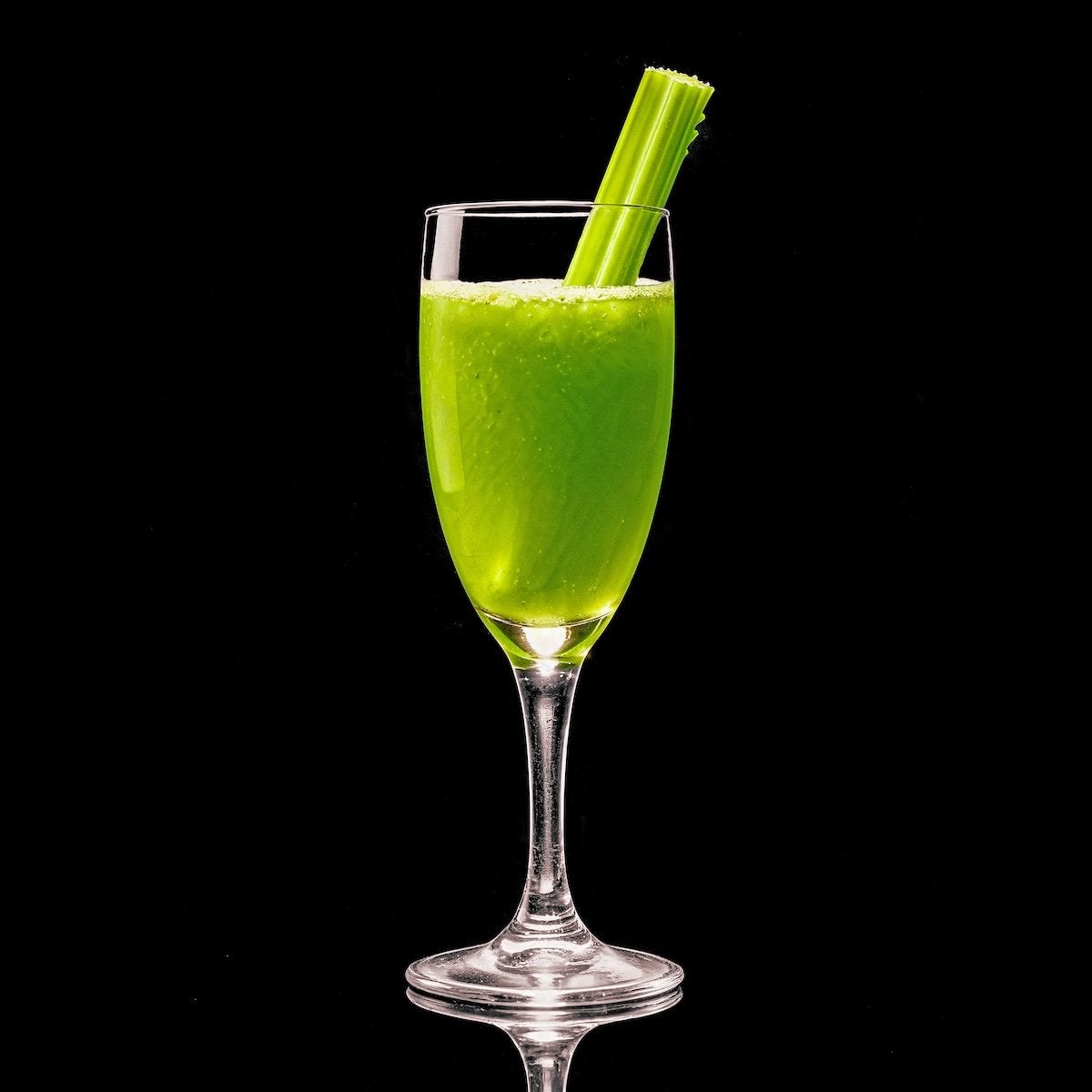
Photo Illustration by Benjamen Purvis
When Jonathan Leary, a doctor of chiropractic medicine, opened a concierge wellness practice a decade ago, he often heard the same complaints: “‘All these lifestyle changes that you made me implement to be healthy are ruining my social life,’” clients would tell him. “They’re like, ‘How am I supposed to go on a date? What am I supposed to do after work? How do I make new friends?’”
Leary founded Remedy Place—a “social wellness club” that opened its first Boston location in 2025, with AI-powered massages—to give them an answer. All of Remedy’s services, from lymphatic compression to sauna sessions, can be booked with a friend, and the club also offers communal experiences like ice baths and Pilates classes. It’s even hosted bachelorette and birthday parties. The whole point is to give people a way to socialize that doesn’t “put a toxin in us,” Leary says. “There’s no reason why we only have to socialize over alcohol.”
He’s hit a cultural nerve. As the influence of longevity seekers worms ever-deeper into the city’s culture, a subset of Bostonians is trading late-night dinners for crack-of-dawn fitness classes, cocktails for supplement stacks, and nightclubs for run clubs. It’s looking…awfully wholesome out there.
Boston has always been “a little sleepy,” says Marwa Osman, the content creator behind the City Lists. But now the city seems to be out cold. “When I go out, especially during the week, it seems like there aren’t as many people out and about,” she says. Events that actually draw a crowd these days often have a wellness bent—like Ritual Fest, which recently sold out 1,500 tickets at the SoWa Power Station for a day of workouts, cold plunges, and “wellness brand activations.”
Even young Bostonians seem to be trading dive bars for boutique gyms. Prepandemic, Kelly Whittaker-Cummings, an instructor at Barry’s, a national gym with locations in downtown Boston and the Back Bay, knew exactly who would be in her 5 and 6 a.m. classes: corporate warriors on their way to the office. Now, many of those morning spots—from the early ones to the 9 a.m. classes—are taken by college students. “Instead of going out for drinks or meeting up for brunch, they’re all working out together,” she says.
The wellness takeover isn’t limited to Gen Z, though. People of all ages flock to Somerville’s Bouldering Project not only to rock climb or take workout classes, but also to attend events like member mixers and craft nights, says the club’s yoga and fitness manager, Kristen Fennell Yates. “People are spending, in general, a lot more time here,” she says. “This is a third space.”
So what does that mean for old-school gathering places like bars and restaurants? According to Jackson Cannon, beverage and bar director for Eastern Standard Hospitality, they’re completely “under siege.” These days, he notes, the GLP-1 crowd picks at appetizers instead of ordering entrées, Gen Z is hardly drinking, and late-night business is dying out. (See “Does Boston Still Drink?“)
Of course, longevity culture isn’t the only explanation for slower restaurant business; the pandemic turned many of us into homebodies, and the ever-rising costs of dining and drinking out certainly aren’t helping. But even paying $17 for a craft cocktail is a bargain compared to the costs of many wellness services. Monthly membership fees at Barry’s and Remedy Place start at $230 and $399, respectively, and not just anyone can fork that over. “Those who have the richest economic resources have the greatest opportunity to age well,” says Deborah Carr, a sociologist and professor at Boston University who studies aging.
“Those who have the richest economic resources have the greatest opportunity to age well,” says Deborah Carr, a sociologist and professor at Boston University who studies aging.
In other words, wealthier people can pay for good healthcare, nutritious food, homes in neighborhoods where it’s safe and pleasant to be active outside—and, yes, social lives built around pricey sauna sessions and boutique fitness classes. “There’s a certain caché, just as having a certain designer label on your purse or color on the sole of your shoes might signify status,” Carr says.
Still, you’d be hard-pressed to argue against the health benefits of a shift toward wellness culture. The old model of socializing—after-work drinks that bled into late-night dinners that bred next-morning hangovers—had a messiness to it that some have carefully engineered out in favor of regular sleep cycles and counting macros. Their livers (and lifespans) are undoubtedly better off.
But there is a price to trading spontaneous fun for meticulous optimization. “We have lost a little something,” Cannon says, “that’s going to be hard to calculate.”
This article was first published in the print edition of the February 2026 issue with the headline: “The Social Cost.”