Boston’s Longevity Obsession: What Works and What’s Expensive BS
We're becoming more and more fixated on living forever—but not all the treatments are created equal. What works, what doesn’t, and whether optimizing every aspect of your life is really worth it.

Constantine Johnny/Getty Images
From GLP-1 injections to NAD+ infusions, Boston has become ground zero for the longevity obsession—where everyone from Back Bay professionals to Cambridge biohackers are chasing extra years through whatever means necessary. But between the $500 IV drips and the off-label prescriptions, what’s actually worth your time and money? We talked to doctors at Mass General, Brigham and Women’s, and more to separate the science from the snake oil. Turns out, the basics still matter most—but there are a few surprising shortcuts gaining traction in exam rooms across the city.
The Longevity Craze
- What Actually Works
- Longevity Drugs: What Might Work
- Distinguishing Facts from Fiction
- Is Wellness Culture Ruining Social Fun?
- Boston Is Becoming the Next Leading Longevity Hub
- When Too Much ‘Healthy’ Is Bad: The Dark Side of Biohacking
- Boston’s Top Doctors 2026 List Is Here

Illustration by Benjamen Purvis
What Actually Works
1. Going Back to Basics
“The four pillars of health are generally nutrition, exercise, sleep, and mental well-being,” says Lynne Ahn, an anti-aging and regenerative medicine specialist practicing in Wellesley. Nail those down, and you’ll be rewarded: Research has shown that people who adopt wellness practices like these may enjoy up to six extra disease-free years. Not flashy, but essential. Mom was right all along.
2. Quit Smoking. Drink Less (Or Not at All)
This one’s “critically important,” says JoAnn Manson, chief of the division of preventive medicine at Brigham and Women’s Hospital. Both smoking tobacco and drinking alcohol are strongly associated with higher risks of cancer and other life-threatening conditions, so it’s a no-brainer to lay off if your goal is getting to 100 candles.
3. Have a Smaller Piece of Cake
If you’re trying to live longer, “The biggest bang for the buck comes from maintaining a normal body mass index,” says Mark Benson, director of preventative cardiology at Beth Israel Deaconess Medical Center. There’s some debate among scientists about what constitutes an “ideal” BMI, or if that imperfect measurement should be used at all. But Benson says it still matters. A BMI under 25—the threshold at which someone is considered overweight—seems to be the sweet spot, he says, and large studies back that up. Translation: Keep the weight off, however you do it.
4. Statin Helps
Humble statins, the affordable cholesterol-lowering medications taken by millions of Americans, are longevity drugs. Taking them significantly slashes the risk of death, recent research studies have found. “Some will say, ‘Put statins in the water,’” says Pradeep Natarajan, director of preventive cardiology at Massachusetts General Hospital. Natarajan wouldn’t go quite that far. But for people with cardiovascular risk factors, they’re a slam dunk.
5. Go to the Doctor!
George Murphy does cutting-edge stem cell research as codirector of the Center for Regenerative Medicine at Boston University and Boston Medical Center. But his advice is rather simple: Show up for your annual physical. Vaccinations, routine physicals, and screenings may not be exciting, but they can be lifesaving. One striking example: From 1975 to 2020, better screening and prevention efforts averted more cancer deaths than treatments did. The unsexy stuff works.
6. Friends Have Benefits
Strong relationships predict longevity as powerfully as your genes or your bank account. In a famous 80-year-long study, researchers tracked a group of male Harvard students to see how their lives turned out. The healthiest, longest-lived subjects weren’t necessarily the richest or the most successful—they were the ones with close relationships. In other words: Your spouse matters more than your supplement stack. “That’s counter to the idea that longevity is all about biohacking yourself,” says Jay Luthar, a Boston-based concierge primary care doctor. “It’s really also about having happiness and a quality of life that’s meaningful and engaged.”
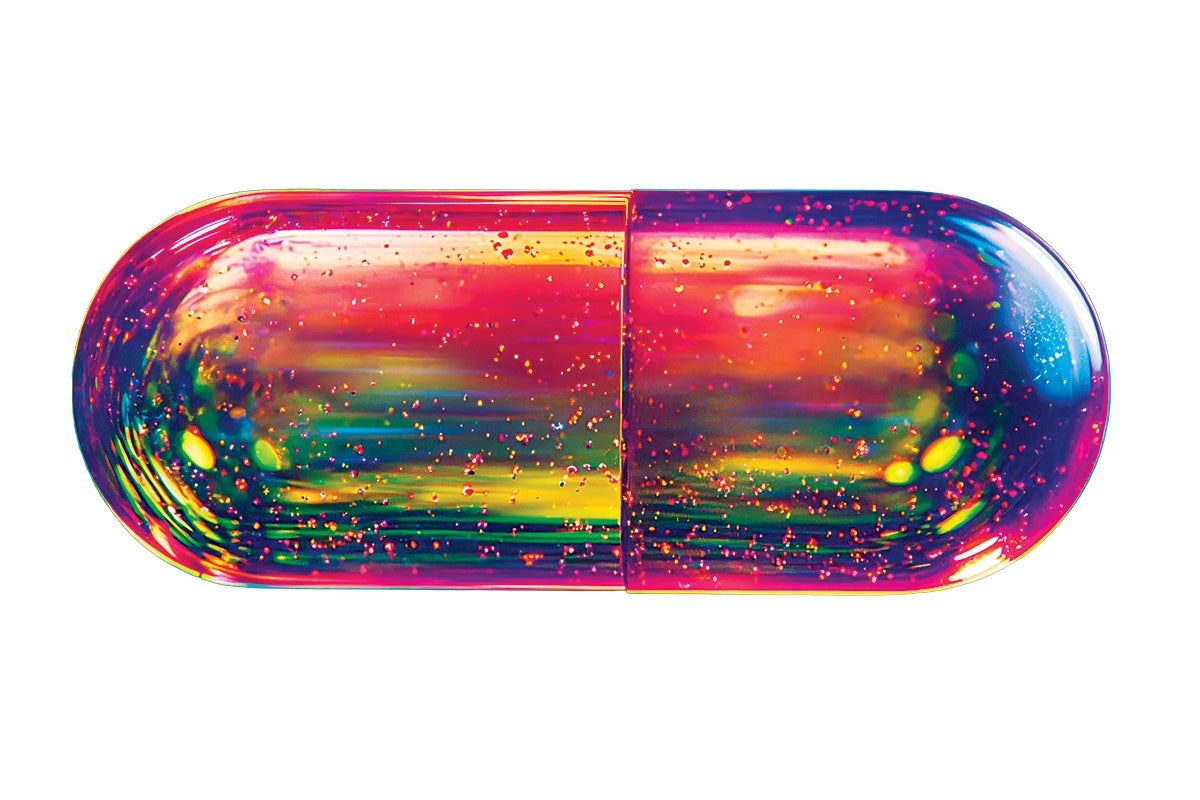
Illustration by Benjamen Purvis
Longevity Drugs: What Might Work
Officially, most experts will tell you there’s no shortcut to longevity. Behind closed doors, though, you might get a slightly different answer. All over the city, devoted longevity seekers are quietly snagging prescriptions for off-label drugs, injecting peptides bought online, and trying not to age—that is, if they know who to ask.
GLP-1s
The Accidental Longevity Drug
What they are: Ultra-popular injectable weight-loss and type 2 diabetes drugs.
Why longevity fanatics want them: By now, everyone and their mother knows that drugs like Ozempic and Wegovy treat diabetes and help people shed pounds. But some in-the-know experts are also calling them the “first true longevity drugs” because they seem to also protect the heart, kidney, liver, and other organs.
Which docs will prescribe off-label: Endocrinologists for diabetes and obesity. But healthy-weight longevity seekers are increasingly asking their primary care providers for prescriptions—and finding mixed responses.
The evidence: The meds can spare people with obesity and diabetes from heart attacks, strokes, and other life-threatening conditions, major studies show. Regulators have approved them to treat some types of liver and kidney disease, too. And despite some disappointing results debunking the theory that they could help treat dementia, there’s strong evidence that they can help prevent it. More research is needed—but the accumulating evidence is strong enough that one expert called them “vitamin G.”
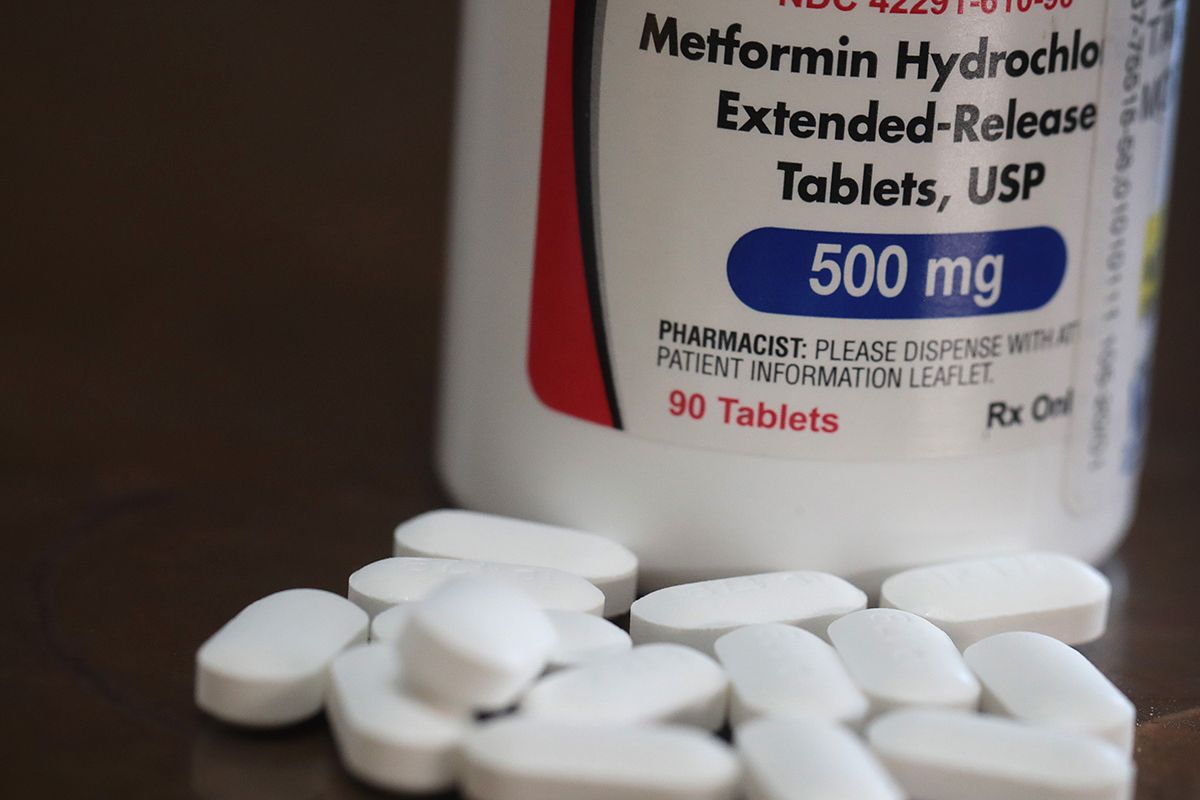
Scott Olson via Getty Images News
Metformin
The Old Standby with New Potential
What it is: A decades-old, inexpensive drug approved to treat type 2 diabetes.
Why longevity fanatics want it: Some studies suggest that taking metformin helps ward off diseases ranging from cancer to heart and liver disease—and, possibly, slows the process of aging itself.
Which docs will prescribe off-label: Some functional medicine doctors in private practice.
The evidence: Metformin is one of the most widely prescribed drugs in the United States, so while it can cause some GI side effects, doctors are pretty confident it’s safe. But will it add years to your life? The jury’s still out. The buzz about its (potentially) life-extending powers mostly comes from animal research or studies of diabetes patients taking the drug. Whether healthy adults without diabetes should be popping metformin to live longer, nobody knows for sure.
Rapamycin
The One That Makes Doctors Nervous
What it is: An immunosuppressant prescribed to organ transplant patients.
Why longevity fanatics want it: Certain animals, such as fruit flies and mice, have been shown to live longer when given rapamycin, seemingly because it targets a biological pathway involved in the aging process.
Which docs will prescribe off-label: Some integrative medicine doctors in private practice—though even they’re extremely cautious.
The evidence: The animal studies are interesting—and mounting, with researchers now dosing dogs—but don’t rush to your doctor yet. There’s no firm proof that rapamycin helps people live longer. Plus, the drug can cause a long list of side effects, including kidney injury, allergic reactions, and infections (yikes!). These drawbacks were enough to dissuade even the extreme bio-hacker Bryan Johnson, who infamously took rapamycin for almost five years but stopped in 2024. And if Johnson won’t take it, maybe you shouldn’t either.
NAD+ Supplements
The Medspa Gamble
What they are: Infusions or pills meant to boost levels of nicotinamide adenine dinucleotide (NAD+), a coenzyme found in every cell in the body.
Why longevity fanatics want them: NAD+ levels seem to decrease with age, and some think this drop contributes to age-related ailments such as metabolic disease and cognitive decline.
Where to get them: Many medspas and wellness clinics throughout the Back Bay, the Seaport, and other neighborhoods offer NAD+ injections, prescription-free. You can find oral supplements all over the internet.
The evidence: It’s possible to raise NAD+ levels through supplementation. But are those higher levels translating to any actual health benefits? Scientists don’t know. There’s not a ton of research on this topic, and what does exist isn’t all that promising. For now, excitement is far outpacing evidence—and your wallet is bearing the cost.

Illustration by Benjamen Purvis
The Longevity Bubble: Fact or Fiction?
The anti-aging industry is a minefield of snake oil and pseudoscience. So we asked Boston’s top docs what’s real.
True or false: We can all live to 100 if we try hard enough.
False. Research on centenarians suggests reaching this milestone, and particularly getting past it, mostly comes down to a mix of good genes and good luck. So stop obsessing over your 100th birthday and focus on living well today—the longevity lottery doesn’t take tickets.
True or false: Red wine boosts longevity.
False. For years, you probably heard that moderate drinking is good for the heart. No longer. Recent research shows alcohol provides no health benefits—and even moderate drinking carries some risk.
True or false: You can biohack your way out of a bad diet.
False. For most people, eating better is the single best longevity hack, according to Dariush Mozaffarian, director of the Food Is Medicine Institute at Tufts University. In other words: more fresh produce, seeds, legumes, nuts, and whole grains; fewer sodas, processed meats, and packaged carbs. No amount of NAD+ will undo a rubbish diet.
True or false: You can optimize your “biological age.”
False. While there are tons of tests that claim to tell you how old you are physiologically, rather than chronologically, there’s no universal consensus on the best way to measure biological age, what that information really means, and what to do about the results.
True or false: Vitamin supplements are a waste of money.
True. “For the vast majority of people, they don’t do anything,” Mozaffarian says. See a doc if you think you have an actual deficiency; otherwise, save your money.
True or false: Eating less might buy you more years.
Maybe. Research is ongoing, but some studies have found that restricting your daily calories—specifically, cutting back by about 25 percent—seems to slow the aging process in animals and possibly humans. But it’ll make you miserable, and the human evidence is still limited, so this is one to watch, not necessarily try.
True or false: Strength training is key as you age.
True. Muscle mass and grip strength are both strong longevity predictors. Translation: Pick up heavy things often. Women who lift and exercise regularly may be even more likely to see benefits than men who do the same, some research suggests. Either way: lift.
This article was first published in the print edition of the February 2026 issue with the headline: “Cracking the Longevity Code.”

Photograph by Steph Larsen; Illustration by Comrade; Hair & makeup by Erica Gomes for Artists With Agency