Is Padel the Pickleball It’s OK for Tennis People to Like?
As the fast-paced tennis-meets-squash sport explodes across the United States, Boston gets an Andre Agassi–backed Seaport padel club and more.
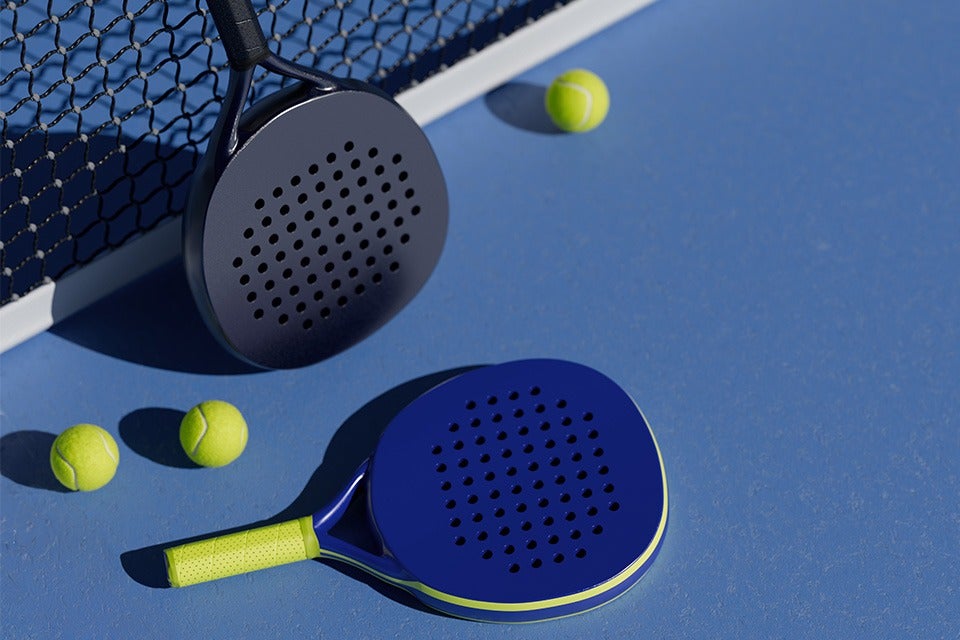
Getty Images
As a lifelong tennis player, I’ve managed to dodge the pickleball craze. The courts are crowded, the plastic-ball thunk isn’t exactly music to my ears, and the gameplay feels a little…flat. But when I first heard about padel, I perked up. Played as doubles, the sport—which uses solid, perforated rackets and a ball similar in size but lower in pressure than a tennis ball—combines elements of tennis and squash, with quick reflexes and longer rallies thanks to glass walls.
Once a niche import from Mexico by way of Spain, padel is now the world’s fastest-growing sport. In the United States, the number of courts has exploded—from fewer than 30 in 2020 to more than 600 in 2024, with projections of 30,000 by the end of the decade, according to a recent report by Syracuse University and the global consultancy Padel 22. The study points to four reasons for the surge: celebrity fans (think Eva Longoria and Derek Jeter), community-focused clubs, savvy social content, and serious institutional backing.
This fall, Boston gets its own high-profile entry into the game with the opening of the Andre Agassi–backed Ballers, a new outdoor club in the Seaport. The space, which includes three padel courts and five pickleball courts, is the second Ballers location following Philadelphia, with additional clubs planned throughout the country, including Los Angeles.
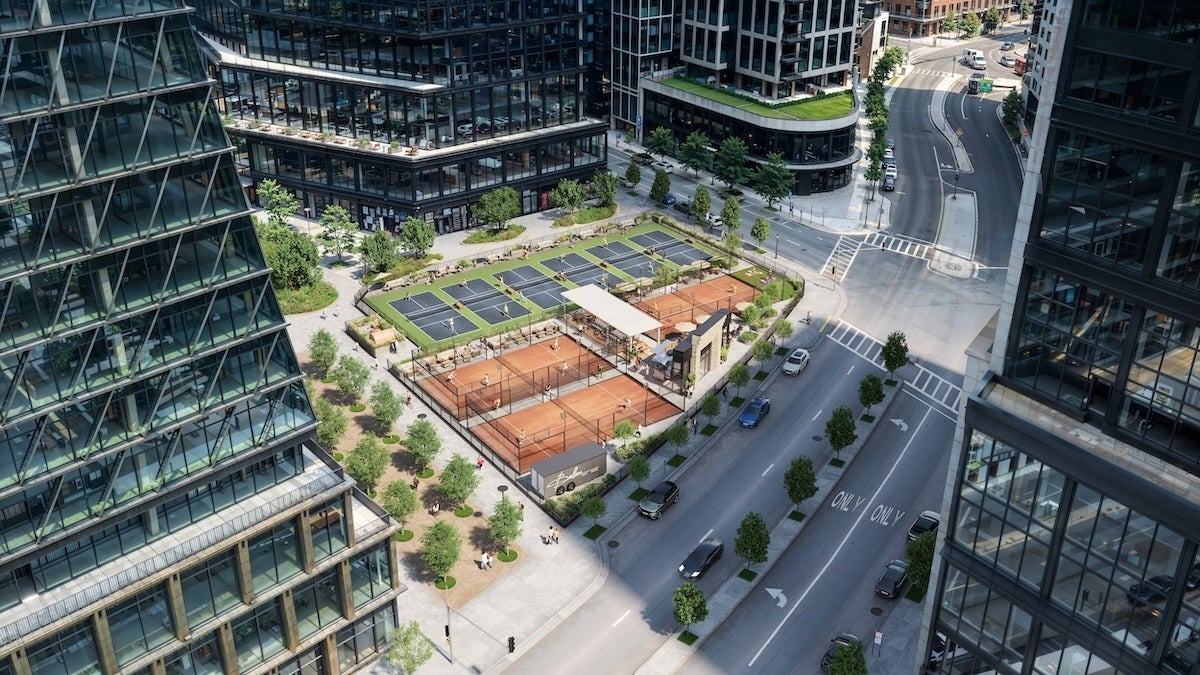
Courtesy photo
Ballers cofounder David Gutstadt describes padel as a sport that rewards skill without punishing your body. “Pickleball took off during COVID because you could throw down tape in your driveway and call it a court,” he says. “Padel has a steeper learning curve, and appeals to people with more serious racket-sport backgrounds.”
Ballers will remain open year round—with the padel courts staying operational for wintertime die-hards—even as the rest of the facility converts to an outdoor skating rink. A full-service kitchen, bar offerings, and a pro shop round out the experience, along with programming that includes lessons, leagues, and tournaments.
The club isn’t the only player in town: PadelHub, with six indoor courts, is set to open this fall on Summer Street. Padel Boston opened earlier this year in Dedham, and last year, Hyde Park’s Bosse Sports complex welcomed Sensa Padel.
Gutstadt, for his part, believes padel’s appeal lies in its accessible yet elevated gameplay. “We’re seeing people who mastered tennis or squash discover padel and feel like beginners again—in a good way,” he says.
So will I trade in my tennis racket? Not quite yet. But padel feels like more than a fad—it’s a new kind of fun. And I’ll admit: The chance to rally off a glass wall sounds kind of irresistible.
This article was first published in the print edition of the October 2025 issue with the headline: “Padel Fever.”