So, You Want to Live in Bedford, Massachusetts?
A sprinkling of indie businesses, a dash of great schools, and a heaping helping of Revolutionary history is the recipe for a lively small town.

Photo by Doug Kerr/Creative Commons
1. Pick Your Price Point
Houses sell pretty quickly in Bedford, spending an average of 48 days on the market, and median prices have increased by nearly 10 percent since last year. Finishing No. 9 on our “Top Places to Live for 2026,” Bedford has its fair share of historical homes, but you’ll also find townhouses and new builds on the market. Smaller fixer-uppers sell for under $900,000, while a six-bedroom single-family could cost upward of $2.5 million.

Photo courtesy of Euphoria Coffee
2. Plot Your Commute
For daily commuters to downtown Boston, Bedford definitely isn’t the most convenient launch pad—but if you’re looking to make the trek, the commuter rail’s Fitchburg Line stops in nearby Concord, and the MBTA 62 bus goes from Bedford’s VA hospital to Alewife Station. From Alewife, it’s just a 20-minute ride to Downtown Crossing on the Red Line. For those looking to drive, Bedford is about 30 minutes outside the city, but expect that to double—or triple—during peak commuting hours.
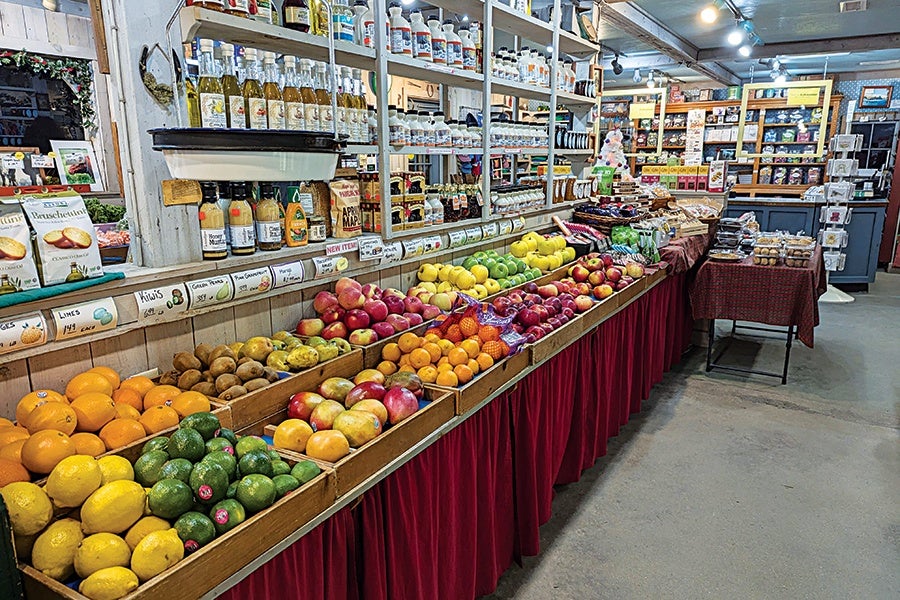
Photo by Sandy Couvee/Courtesy of Bedford Chamber of Commerce
3. Take in the Vibe
Bedford’s historic town center delivers exactly what you’d expect from a small New England town. A town green and First Parish church are nestled near both local staples and tried-and-true chains like Whole Foods. Local haunts include Chip-in Farm’s old-fashioned country store, family-owned Euphoria Coffee, and Líf Books, a community and retail space. In the warmer months, the homemade ice cream from Bedford Farms isn’t to be missed.
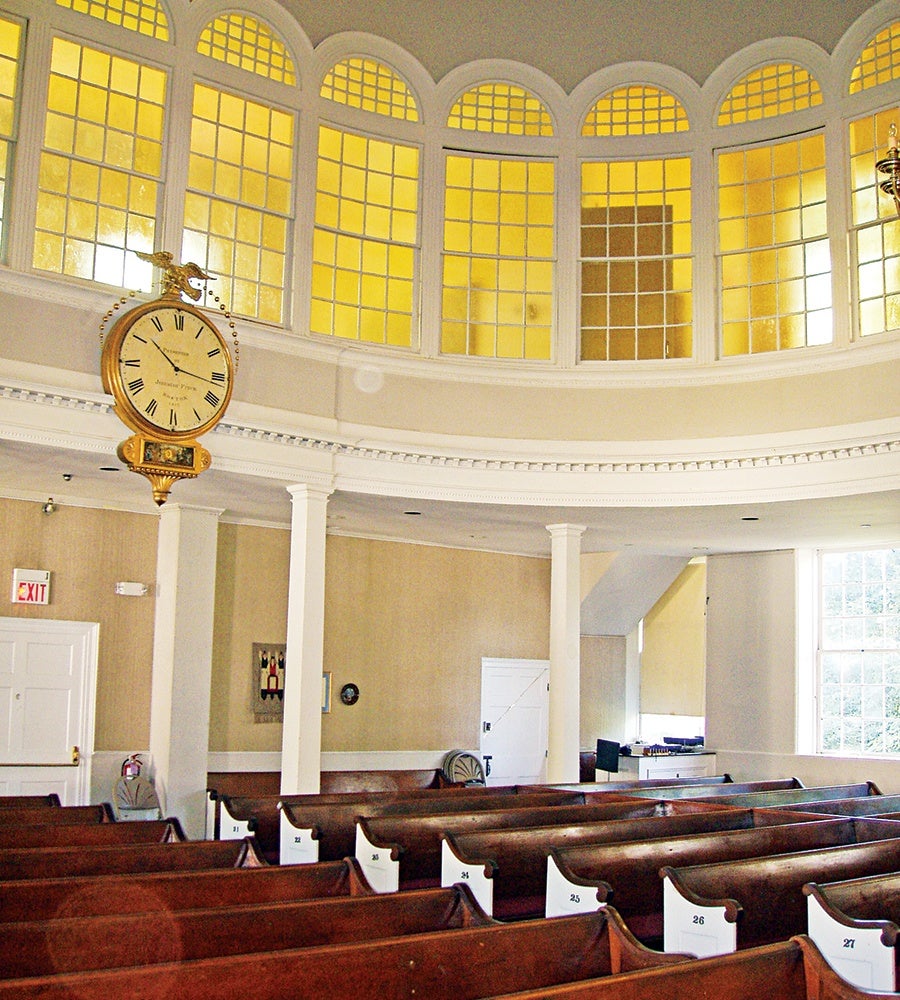
Photo via Daderot/Creative Commons
4. Check out the Culture
Bedford is nestled on the borders of both Lexington and Concord, and its proximity to the first major military actions of the Revolutionary War is at the heart of its culture. Established in 1893, just over 100 years after the Minutemen marched, the Bedford Historical Society houses exhibits highlighting the town’s storied past. But if history isn’t your thing, Bedford’s arts scene includes an annual Holiday Artisans Market in the winter, and the town’s concert series runs from September through June.
5. Scope out the Schools
Bedford is home to a top-notch public school system, with two elementary schools, one middle school, and one high school, which was ranked 15th overall on Boston magazine’s Top Public High Schools list in 2025. Neighboring towns are home to top-tier private schools, including the acclaimed Concord Academy.
This article was first published in the print edition of the April 2026 issue, with the headline,“So You Want to Live In…Bedford.”
Related
- Top Places to Live in Greater Boston 2026
- So, You Want to Live in Brookline?
- So, You Want to Live in Cambridge?
- So, You Want to Live in Somerville?
- So, You Want to Live in Burlington, Massachusetts?